
Notes from the Massachusetts Democratic Convention
And some ideas on how to bring more civic energy to our Commonwealth

This Saturday, I was a delegate to the Massachusetts Democratic Convention. It was my first time and raised some mixed emotions. There was the optimism of being around activists, electeds, and citizens. But also the affordability crisis has hit the concessions at the DCU Center.
Most of all, it reminded me of what else we need in order to have the thriving democracy we deserve.
The good
Before I get into that, let me say what may seem trite but is very real. Anytime I’m in a room with people who care about their democracy, it’s a good day.
That’s the heart of this convention. More than 4,000 people from across the Commonwealth travelled to Worcester on a rainy weekend to hear speeches and make connections. I got to talk to people I knew from my time on the Ranked Choice Voting campaign, from the district, and even meet some who are out front on housing and changing direction in Washington.
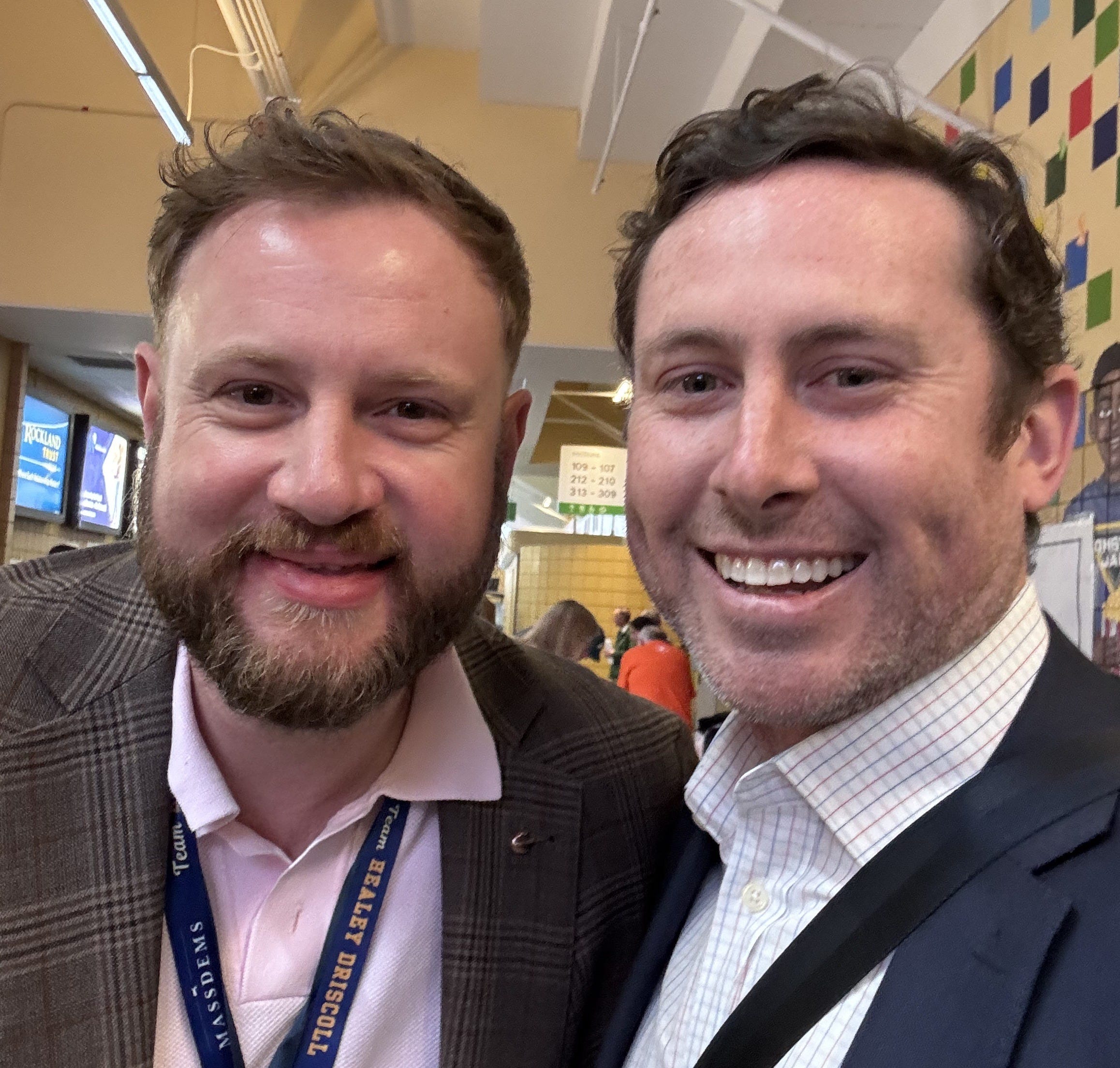
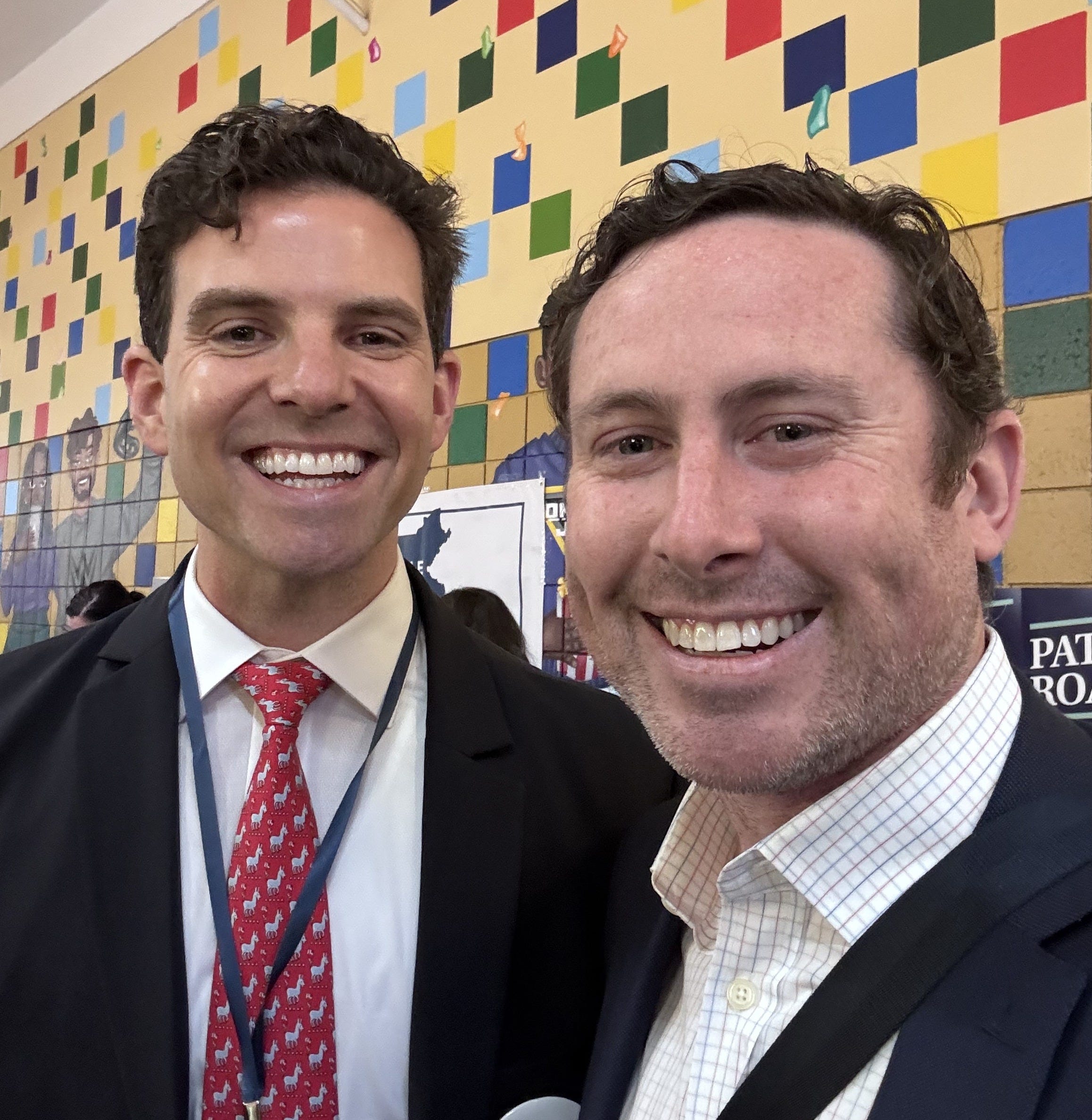
If you ever are feeling discouraged about democracy, go to an event like this. When I see so many people who care about their country and their community, it reminds me of the famous line:
The bad
However, there was something discordant about the event.
The main part of the day was a vote on the US Senate race. In order to appear on the ballot for a statewide race, candidates need to secure 15% of the delegates at the convention. That meant that there was a small chance that Rep. Seth Moulton might not be able to run against Sen. Ed Markey.
To be clear, this was a very small chance. I don’t think many people expected that he’d be locked out. But even that small chance is too high.
While I was happy to see my fellow 4,000 delegates in attendance, I don’t think that we have the right to keep a credible candidate off the ballot for 4.5 million voters.
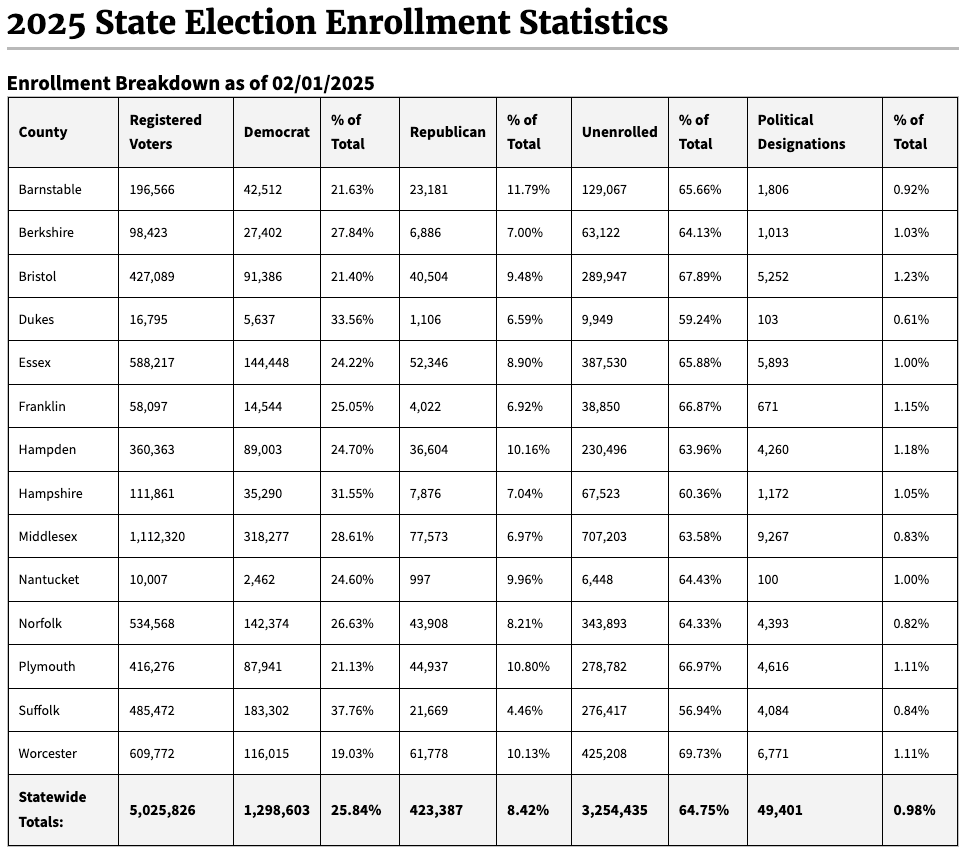
This is especially true because in Massachusetts, with our open primaries, Democrats will be only 28% of the eligible voters on September 1. Nearly two-thirds of our voters are unenrolled or independent; they are obviously not able to attend the Democratic convention, but those who do get to block candidates who might appeal to them.
Luckily, every person I met largely agreed on this point, even die-hard Markey supporters I talked to told me that they wouldn’t have been happy if the convention blocked a real competition.
But I do wonder if both campaigns have spent time wooing delegates that would have been better spent talking with voters across the Commonwealth. I’m sure that all campaigns would say that they can canvass delegates and connect with the wider electorate, but we all know that time and energy is finite, and it does seem like an unnecessary burden.
The unsatisfying
The strangest part of the event was the focus.
I’m used to watching the national conventions during presidential campaigns (in fact, I held signs behind Chris Matthews’ set in 2004 when I was an intern on the John Kerry campaign).
Those have a clear message and a purpose. Here is our candidate for president. Here is our platform for the country. Let’s go beat the other party and win.
This weekend, that message was mostly the same. Officials talked about how Democrats were fighting against the Trump Administration. The speeches by Markey and Moulton were mostly about how they’d take the fight to Republicans in Washington with only occasional swipes at each other.
Yet within state government, that’s not really where the argument is.
Yes, Beacon Hill must deal with whatever comes out of Washington. But our debates in the legislature are not Democratic vs. Republican. They’re almost always within the Democratic Party.
Take housing reform, for example.
There are policies on the table that have support from Democratic Senators and Representatives and opposition from Democratic Senators and Representatives. The job for Democrats in the legislature is to convince other Democrats.
If we think of a political convention as a big pep rally for those hoping to see a political result, then it’s a little strange when there’s one where people on both sides of the big issues are there. I would assume that a state convention in Georgia, for example, would be very different, with partisan control at stake for races up and down the ballot.
Which meant that throughout the statewide convention, a lot of the discussion of what’s happening within the state was downplayed officially even though it permeated throughout the discussion around the sidelines.
What else we could do
As I said, the overall experience was an amazing one. But there is more that we could do.
First, getting citizens together shouldn’t be just for within a party convention.
I’d love to see Democracy Festivals happening in every town in an election year. It could be as simple as allowing candidates to have the stage for 3 minutes at a local event and encouraging civic groups to set up tables there. Telling citizens that all their options for office will be at one place might help bring people out (especially if the city provides pizza and kids’ games).
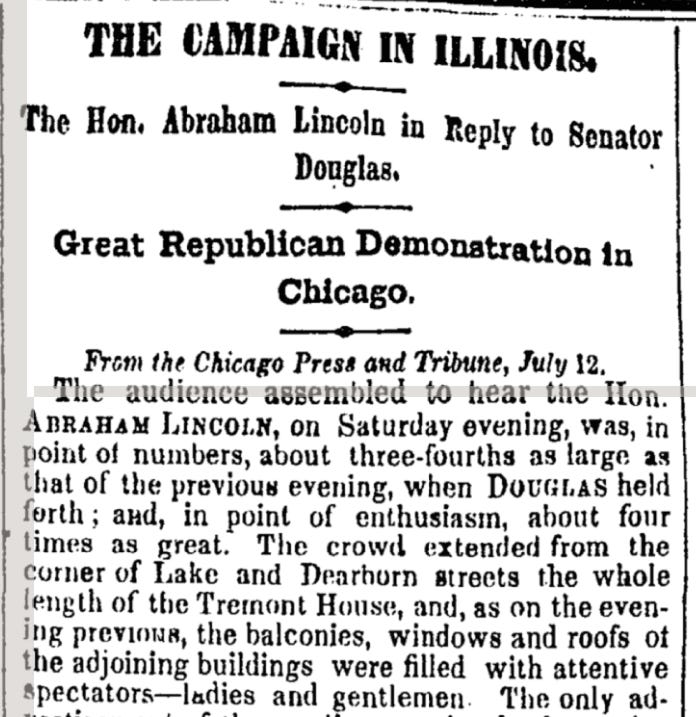
I’m not expecting that we can recreate the same kind of civic enthusiasm that saw 15,000 people attend an outdoor debate between Abraham Lincoln and Stephen Douglas in 1858, but at least we can provide one focal point every year where the community knows they can not only meet their candidates but hear their pitches without any extra effort.
Second, I’d love to see more statewide conventions happening for groups within the Democratic Party.
Lobby Days for specific advocacy organizations are currently the best versions of this, and they serve the purpose of bringing people together to push for a specific vision. But maybe groups that are broadly aligned could hold a joint convention, either in person or online, that encourages the kind of cross-pollination of ideas that are the best part of these kinds of events.
I’m sure that many people have proposed this before and it fell flat against the barriers of inter-organizational coordination. But if a group could figure it out or wants to take the lead on it, it could do some real good.
Ultimately, the point of a convention is to remind people that they matter.
Politics is not just what they see on TV and witness as an audience. It is the collective decisions of who runs our government that we all have a part in making.
Any event that brings people closer to that decision-making, whether it’s a stage in a park so families can hear from candidates while their kids run around or a Zoom call so that people who care about clean energy can meet people who care about public transit, is a credit to our democracy, and it shouldn’t be reserved for just the 4,000 people who I was privileged to be with on Saturday.